FIRST MEMORIES
Before three is unlikely
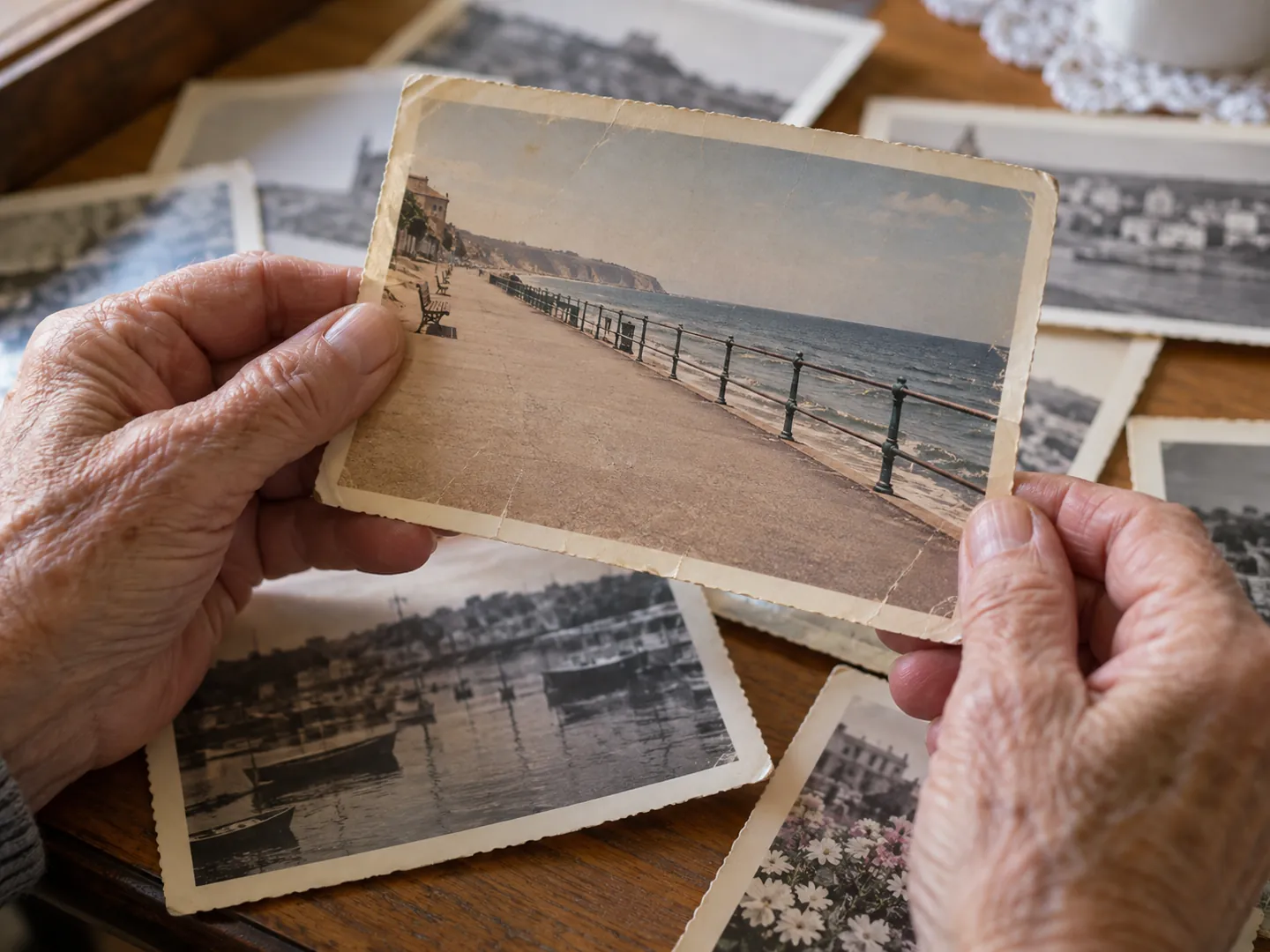
Research indicates earliest memories date from around 3 to 3.5 years. Very early "memories" are often built from fragments plus photos and family talk.
Check a memoryMEMORY FOR MEMOIR WRITERS
Some years come back in floods. Others hardly at all.
Researchers who study autobiographical memory find the same patterns again and again: very little from early childhood, a rich seam from the teens and twenties, and details that can be added later by photos and family stories.
AGE 3+ where most first memories begin
THE SHORT ANSWER
Three findings from memory research
that matter when you write a life down.
FIRST MEMORIES
Research indicates earliest memories date from around 3 to 3.5 years. Very early "memories" are often built from fragments plus photos and family talk.
Check a memoryTHE BUMP
Middle-aged and older people recall more personal memories from roughly 10 to 30 years of age: the reminiscence bump, one of the most robust findings in the field.
See the numbersFALSE DETAIL
In a classic study, 7 of 24 people came to remember, partly or fully, being lost in a shopping centre as a child, an event that never happened.
How to checkA QUICK MEMORY CHECK
Pick the age a memory comes from to see what research says about memories from that time. The bar shows how many memories people typically recall from that period.
Based on Akhtar et al. (2018), reported by the Association for Psychological Science, and Munawar et al. (2018), a systematic review in PLOS ONE.
TWO NUMBERS WORTH KNOWING
One figure on first memories,
one on the years we remember best.
38.6%
Claimed a memory from age 2 or younger
Of 6,641 people asked for a first memory they were certain of, 38.6% placed it at age 2 or younger, and 893 at age 1 or younger. This was particularly common among middle-aged and older adults.
FIRST MEMORIES · AKHTAR ET AL.
10–30 years
The years recalled most richly
A 2018 systematic review of 68 studies describes the bump as people over 30 accessing more personal memories from about 10 to 30 years of age.
REMINISCENCE BUMP · PLOS ONE
Explanations for the bump include the novelty of events in those decades and their role in forming adult identity. The review notes all main accounts receive some support.
FOUR HABITS FOR MEMOIR WRITERS
None of this means your memories are wrong. It means some deserve a second look before they go in the book.
If it seems to come from before about age 3, ask whether a photo or family story could be its source.
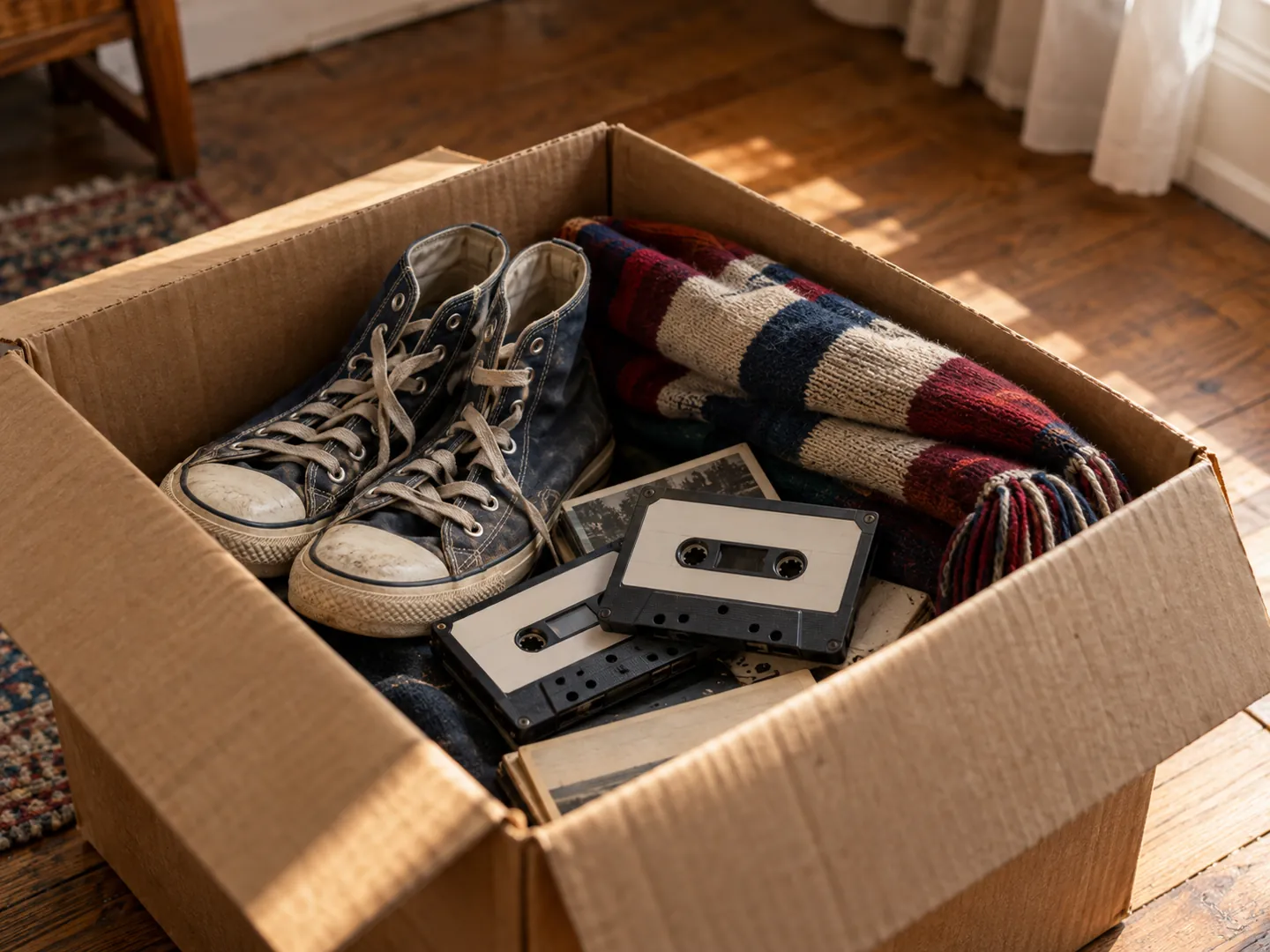
Memory researchers prompt recall with everyday cue words. A list of ordinary words can bring back scenes you had not thought of in years.
These are the years most people recall best, and the ones that often shaped who they became.
Compare dates and details with letters, diaries and documents, and note which parts you remember and which you were told.
MEMORY CAN BE PLANTED
In Elizabeth Loftus's lost-in-the-mall study, people read short accounts of childhood events supplied by a relative, one of them invented. Seven of 24 recalled the false event in part or in full, and six still claimed to remember it in follow-up interviews.
Loftus also describes "imagination inflation": in one study, 24% of people who imagined a childhood mishap grew more confident it had happened, against 12% of those who did not imagine it. For a memoir writer, a scene you have pictured many times is worth checking against someone else's account.
Questions
Current research indicates people's earliest memories date from around 3 to 3.5 years of age. Recall from early childhood is limited, rising steadily up to about age 8.
This is the reminiscence bump: people over 30 tend to recall more memories from roughly 10 to 30 years of age. Explanations include the novelty of events then and their role in shaping identity.
It can. In Elizabeth Loftus's lost-in-the-mall study, 7 of 24 participants came to remember, partly or fully, a childhood event that had been invented for them.
Researchers behind the 2018 first-memory study suggest they are built from remembered fragments, such as a pram or a feeling, plus facts picked up from photographs or family conversations.
Not at all. It means it helps to separate what you remember from what you were told, and to check key dates and details against records or other people.
Sources
ABOUT THIS NAME
doodlememoirs.com is part of the DoodleSale portfolio. It isn't in an auction right now, but you can ask about leasing it.